
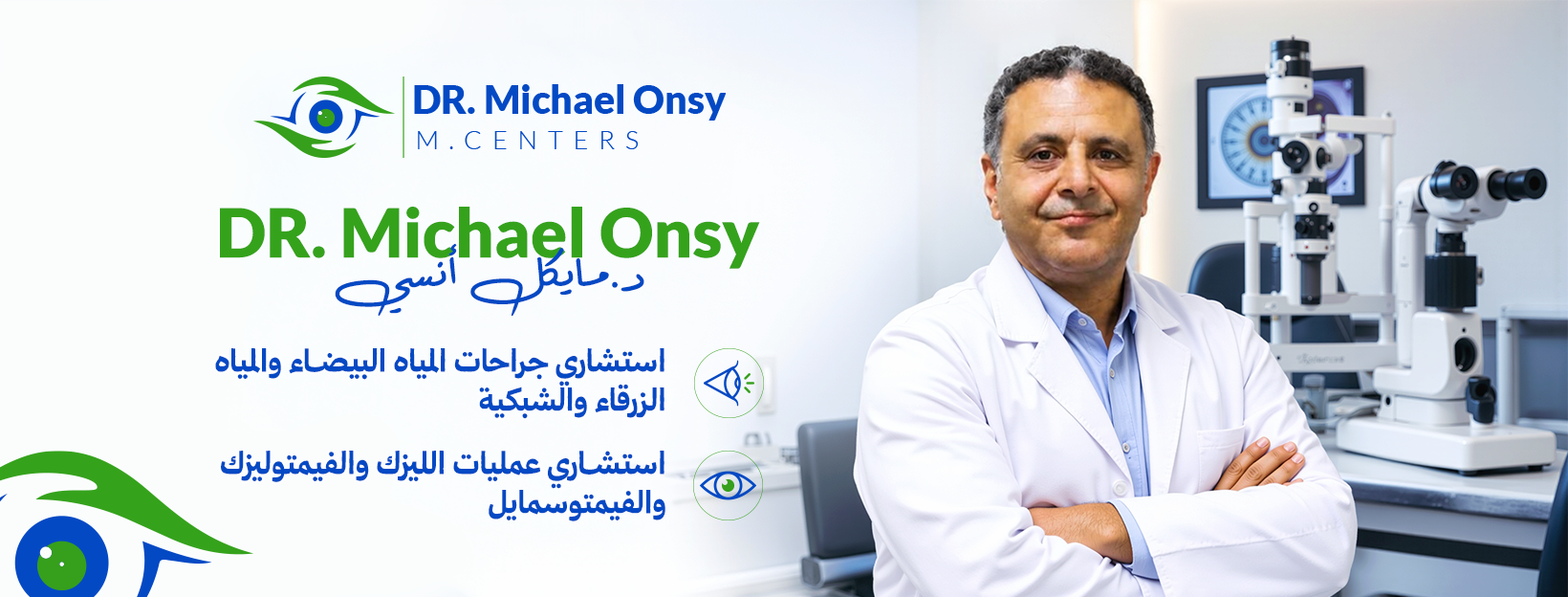
20+ Years of Experience in Ophthalmology, Eye Surgery & Vision Correction
Senior consultant ophthalmologist specializing in cataract surgery, glaucoma care, ICL and laser vision correction including Femto-LASIK and SMILE.
Explore Specialized Eye-Care Services
ICL Implantable Lenses for Vision Correction
A key option for selected refractive errors and patients who may not be suitable for LASIK, assessed through detailed eye measurements.
Read details ←Laser Vision Correction & LASIK
Assessment of refractive errors and selection of LASIK, Femto-LASIK or SMILE according to individual eye measurements.
Read details ←Cataract Surgery & Lens Implantation
Cataract diagnosis, assessment of visual impact, surgical planning and intraocular lens selection based on the eye and patient needs.
Read details ←Glaucoma Diagnosis & Follow-up
Assessment of eye pressure, optic nerve and visual field with an individualized glaucoma monitoring or treatment plan.
Read details ←Comprehensive Eye Examination
Comprehensive assessment of vision, eye pressure, cornea, lens, retina and optic nerve according to symptoms, age and medical history.
Read details ←Retina Examination & Assessment
Retinal examination and assessment, with follow-up or referral to the appropriate retinal subspecialist when required.
Read details ←Start with a clear diagnosis, then discuss the options that fit your case
Examination and measurements are the foundation of treatment selection, whether the goal is laser vision correction, ICL, cataract surgery or glaucoma follow-up.
About Dr. Michael Onsy
Dr. Michael Onsy is a senior consultant ophthalmologist with more than twenty years of experience in eye care and surgery. His clinical work includes cataract surgery, glaucoma assessment and follow-up, retinal conditions and surgery, and refractive surgery evaluation including LASIK, Femto-LASIK and SMILE. The central principle of care is that treatment decisions should follow a precise diagnosis rather than begin with a preferred procedure.
Every eye is different. Refractive error alone does not determine suitability for laser correction; a cataract does not require surgery at the same stage for every patient; and a single eye-pressure reading does not establish a glaucoma diagnosis. For that reason, assessment may include visual acuity, refraction, corneal evaluation, lens examination, retinal and optic-nerve assessment, and additional imaging or testing when indicated.
More than two decades of clinical experience
Long clinical experience means more than the passage of time. It includes repeated exposure to different patterns of disease, different visual goals and different risk profiles. The aim is to identify when an intervention is appropriate, when observation is safer, and how to explain realistic expectations before treatment or surgery.
Patient education is an essential part of the consultation. A patient should understand the diagnosis, available options, expected benefits, important limitations and the follow-up required. Clear communication supports shared decision-making and reduces unrealistic expectations.
Core areas of expertise
Laser vision correction
Refractive-surgery assessment considers myopia, hyperopia and astigmatism, stability of refraction, corneal thickness and shape, dry-eye status and overall eye health. Depending on these findings, LASIK, Femto-LASIK, SMILE or another option may be discussed. Some patients are better served by a different approach or by avoiding laser treatment altogether.
Cataract surgery and lens implantation
A cataract is clouding of the natural lens and may cause blur, glare or reduced night vision. Surgery is considered according to how the cataract affects daily life and according to the condition of the cornea, retina and optic nerve. Intraocular-lens planning requires accurate measurements and discussion of visual priorities.
Glaucoma care
Glaucoma can damage the optic nerve and may be associated with high eye pressure, but pressure alone is not the whole diagnosis. Assessment may include optic-nerve examination, corneal thickness, OCT imaging and visual-field testing. Follow-up is important because progression is evaluated over time.
Retina care
Retinal disorders vary widely and may require observation, medication, injections or surgery. Sudden flashes, a marked increase in floaters, a curtain-like shadow or sudden loss of vision require urgent assessment.
What happens during a consultation?
The visit starts with symptoms, medical history, medications and previous eye procedures. Examination and investigations are then selected according to the problem. Corneal mapping may be important before refractive surgery; lens and retinal assessment are important in cataract planning; OCT and visual-field testing may be used in glaucoma or retinal disease.
After assessment, the findings are explained clearly and the next step is discussed—whether that is observation, medication, a procedure or surgery. The goal is for the patient to leave with a practical understanding of the diagnosis and plan.
A structured patient journey
Good eye care also depends on follow-up. After treatment or surgery, appointments, prescribed drops and post-operative instructions help assess recovery and identify problems early. Severe pain, increasing redness or sudden visual deterioration should prompt urgent medical review.
Patients can book at clinic branches in Fifth Settlement, Heliopolis and Shoubra, and can contact the center by phone or WhatsApp to coordinate the visit.
Before your appointment
Bring your current glasses, previous reports or scans when available, a list of medications and a short timeline of symptoms. This information helps build a more complete clinical picture.
Medical note: Website information is educational and does not replace individual examination. The appropriate treatment can only be determined after clinical assessment and any required measurements or investigations.
Book
Choose the most convenient branch and time and submit your basic contact details.
Assess
Examination and measurements are selected according to your symptoms and condition.
Discuss
Options, benefits and limitations are discussed before deciding on treatment or follow-up.
Follow up
Follow-up continues after treatment or surgery according to the individual plan.